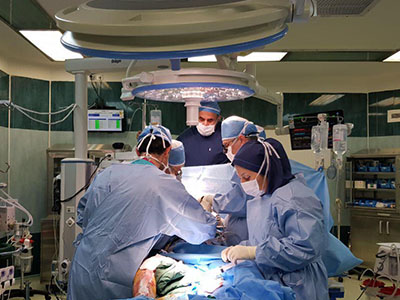
Coronary artery surgery
Bypass surgery for narrowed or blocked coronary arteries and surgical treatment of patients who have suffered heart attacks.
 Professor Mohammad Hossein MandegarCardiovascular surgeon
An overview of the surgical specialties, newer techniques and rehabilitation services described on the Persian website.
Bypass surgery for narrowed or blocked coronary arteries and surgical treatment of patients who have suffered heart attacks.
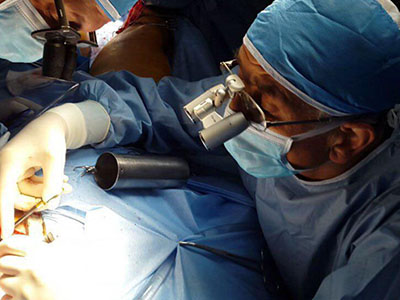
Repair or replacement of mitral, aortic and pulmonary valves, and surgical treatment of rheumatic heart disease.
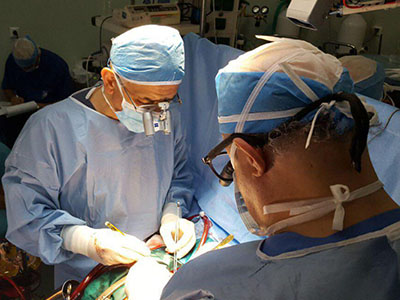
Correction of congenital heart conditions, including valve narrowing, atrial and ventricular septal defects, cyanotic heart disease and transposition of the great arteries.
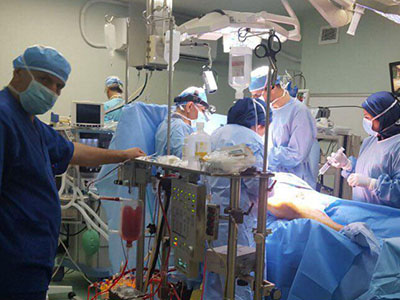
Correction, repair or replacement of the aortic root, and surgery for neck vessels and the thoracic and abdominal aorta.
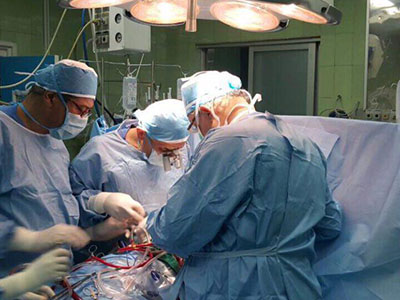
Major heart and lung transplant procedures described according to AHA criteria.
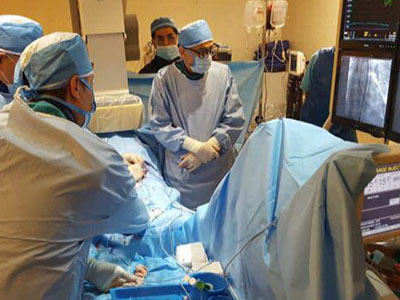
Aortic root repair or replacement, treatment of neck vessel disease, and surgery on the thoracic aorta, abdominal aorta and major limb vessels.
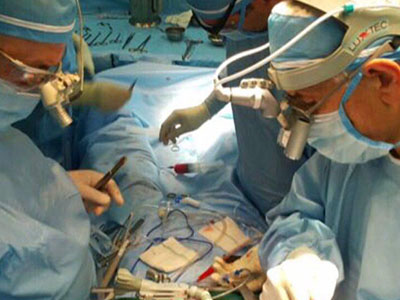
Endovascular surgery and stent placement in major vessels, including the abdominal and thoracic aorta and the carotid arteries.
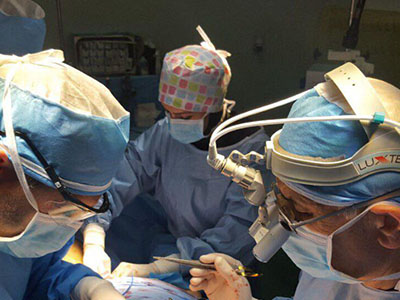
Advanced cardiac surgical techniques and closed surgical approaches, as described in the original clinical activities page.
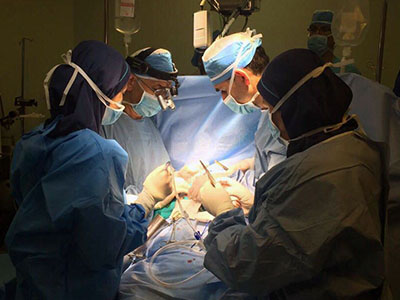
Surgery for primary cardiac tumours such as myxoma and secondary (metastatic) cardiac tumours.
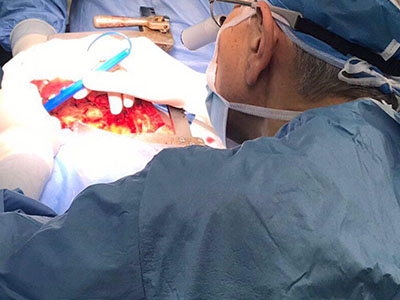
A further entry in the original activities list covers arrhythmia surgery and pacemaker placement using advanced and closed cardiac surgical techniques.
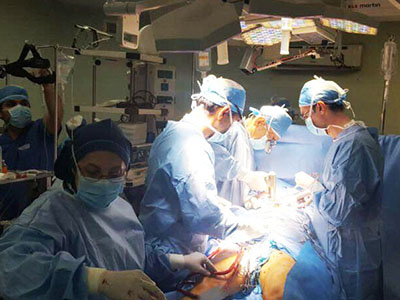
Postoperative rehabilitation and education, prevention guidance, question-and-answer classes with a rehabilitation specialist, cardiac consultations before and after surgery, risk-factor management, and educational books and films for heart patients.
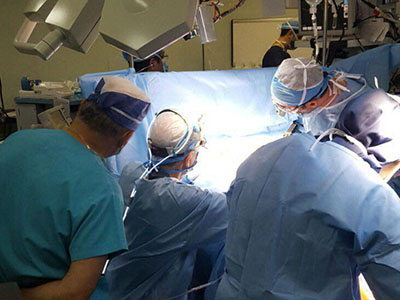
The original page describes stem cell delivery through an angiography catheter or direct injection during cardiac surgery to improve heart function in patients with heart failure.
Aortic valve replacement through the groin, avoiding opening the chest and intended to shorten the hospital stay.